Garage Door Accessories Parker: Small Upgrades With Big Benefits
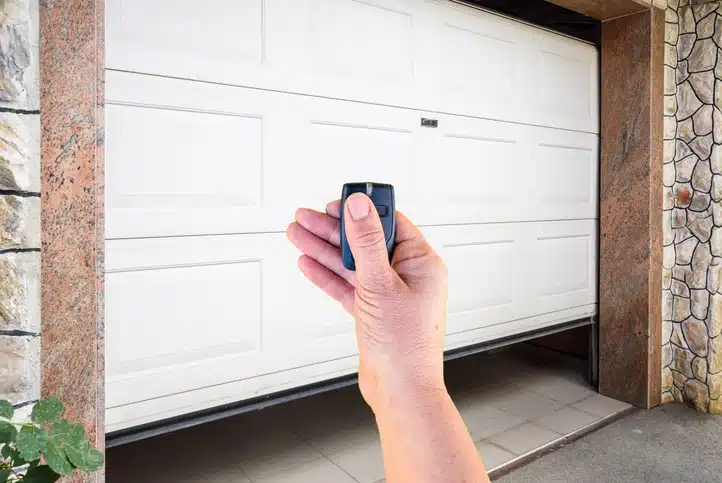
A garage door usually gets attention only when it sticks, squeals, or refuses to close on a cold morning. Until then, most homeowners think about the door itself, the spring system, or the opener motor. What often gets overlooked are the accessories that shape how the whole system performs day after day. In Parker, where weather shifts, dust, sun exposure, and daily use all leave their mark, the right add-ons can make a noticeable difference in convenience, safety, and long-term wear.
That matters because a garage door is not a decorative panel that moves up and down a few times a week. In many homes, it is the primary entrance. It opens before work, closes after school pickup, cycles again for errands, sports practice, package drop-offs, and evening routines. Small weaknesses show up quickly under that kind of use. A dim garage becomes frustrating. A loud chain drive becomes irritating. A weak seal lets in cold air, water, or insects. A missing keypad turns a simple walk selectgaragedoorservice.com Garage Door Accessories Parker or bike ride into an exercise in remembering keys.
When homeowners ask about Garage Door Accessories Parker options, they are usually not chasing luxury. They want fewer annoyances, better reliability, and upgrades that solve real problems without replacing the entire door system. That is where accessories earn their value. A modest investment in the right areas can make an older setup feel smarter, quieter, and more secure.
Why accessories matter more than people expect
Most garage door systems are built in layers. There is the door, the track, the spring or springs, the opener, and then the smaller components that support the experience of using it. Those smaller components often affect daily life more directly than the major hardware does.
Take lighting, for example. A garage can have a perfectly functional opener and still feel awkward if you pull in at night and cannot clearly see where boxes, tools, bikes, or a step up into the house are located. The same goes for remote controls. One unreliable remote can create more irritation in a month than a worn roller creates in a year. Weather seals are another good example. They are inexpensive compared with most garage repairs, yet they can reduce drafts, keep out debris, and help protect stored items from moisture and dirt.
There is also a safety angle. Modern photo eyes, battery backups, motion-sensitive lights, and smart monitoring accessories are not just convenience items. They reduce avoidable risk. That can mean preventing the door from closing on a bicycle wheel, making sure the garage is not accidentally left open overnight, or ensuring entry during a power outage.
In a place like Parker, practical value tends to win over novelty. Homeowners usually respond best to upgrades that pay off in daily use. That could mean smoother operation during winter, cleaner thresholds during windy periods, or more confidence when the house is empty for a weekend.
The accessories homeowners notice first
Some upgrades announce themselves immediately. You install them and feel the difference the same day. Others are quieter, but end up being the ones you appreciate most six months later.
A wireless keypad is one of the fastest wins. Families with kids, runners, dog walkers, or anyone who steps out without keys tend to love it almost immediately. It solves a simple problem cleanly. You do not need to hide a key, keep the front door unlocked, or coordinate access every time someone gets home early. In my experience, this is one of the most requested accessories after people lock themselves out once or twice and realize how easy the fix actually is.
Additional remotes also fall into that category. Many homes still have fewer remotes than drivers. That usually leads to people swapping devices, leaving one in a cup holder, or relying too heavily on a wall control. Extra remotes are not glamorous, but they smooth out household logistics more than most people expect.
Better lighting is another upgrade that tends to feel larger than its cost. Some newer opener units come with integrated bright LEDs, but many older systems still cast a weak yellow pool of light that does not reach the garage corners. Motion-activated side lighting or upgraded opener-compatible light modules make the whole space easier to use. If the garage doubles as a workshop, storage area, or laundry access point, this becomes even more valuable.
Then there are the accessories people do not think about until conditions expose the problem. Bottom seals and perimeter weather stripping fall into that category. On a calm, mild day, they seem unimportant. On a windy day with dust drifting under the door, or after melting snow leaves moisture along the threshold, their value becomes obvious.
Weather sealing is a bigger deal in Parker than many assume
Parker’s climate gives weather-related accessories more importance than they might have in milder regions. Temperature swings, dry air, seasonal storms, and occasional snow all test the edges of a garage opening. Even if the garage is not fully heated, reducing outside air intrusion can help stabilize the space and reduce stress on anything stored inside.
A worn bottom seal usually shows itself in subtle ways first. Leaves collect inside near the door. Fine dust settles faster. Water sneaks in at one corner. The garage feels colder than it should, even accounting for insulation limits. If light is visible under the closed door, performance is already slipping.
Perimeter seals around the sides and top matter too. They cushion the door’s contact with the frame and reduce gaps where air, insects, and debris enter. On homes where the garage faces open exposure, those edges take a beating over time. Rubber stiffens, cracks, flattens, or pulls away. Replacement is often straightforward, but choosing the right profile and material matters.
Threshold seals can help on floors that are slightly uneven or where surface water tends to drift toward the door. They are not the right answer in every case. If drainage is poor, a threshold seal can trap water rather than solve the root issue. That is one of those situations where judgment matters. Accessories work best when they complement the condition of the door and floor, not when they are used to mask a bigger problem.
Insulation kits sometimes come up in the same conversation. They can help, especially in attached garages or spaces used for hobbies, workouts, or storage. But expectations should stay realistic. Insulating panels improve comfort most when the rest of the system, especially seals and air gaps, is already in decent shape. Adding insulation to a badly sealed door is a bit like wearing a winter coat with the zipper open.
Security upgrades that earn their keep
Security accessories are often sold with big promises, but the useful ones are usually simple. They improve awareness, control access cleanly, and reduce common mistakes.
Smart garage controllers are a good example. A quality system lets you check door status from your phone, open or close the door remotely, and receive alerts if it is left open. For some homeowners, that sounds like a novelty until they drive halfway to Denver and wonder whether they closed the garage. Being able to verify that in seconds is more than convenience. It reduces mental clutter.
That said, smart accessories are only as good as their setup. Weak Wi-Fi in the garage, outdated opener compatibility, or poor app design can turn a useful tool into an unreliable one. When homeowners ask whether a smart controller is worth it, I usually say yes, provided the opener is compatible and the wireless signal in the garage is stable. Otherwise, frustration replaces peace of mind.
Vacation lock features are another underappreciated option. Many wall consoles allow you to disable remote access temporarily. If a household travels often, that added layer can be worthwhile. The same goes for rolling-code remotes, which help prevent code grabbing and unauthorized duplication. Most modern systems already include rolling-code technology, but older setups may still need an upgrade.
Exterior keypads improve security too, as long as the code is chosen wisely and updated when needed. Too many people use birth years, street numbers, or repeating digits. The hardware works fine, but the human side weakens the whole setup.
Here are a few security-related accessories that consistently make sense for busy households:
- A wireless keypad for controlled entry without physical keys
- A smart controller with open-close status alerts
- Rolling-code remotes to reduce unauthorized access risk
- An upgraded wall console with lockout and light controls
- Motion lighting near the garage exterior and interior entry door
None of these requires a full system replacement. That is part of their appeal. They add practical control without turning the garage into a complicated tech project.
Quieter operation changes how the whole house feels
Noise complaints are common, especially in homes where bedrooms sit above or beside the garage. People often assume the opener motor is the main culprit. Sometimes it is, but accessories and supporting components frequently make the bigger difference.
Nylon rollers are one of the best examples. If a door still runs on older metal rollers, replacing them with quality nylon versions can noticeably reduce vibration and rattling. It is not a cure-all. If tracks are misaligned or hinges are worn, noise will remain. But on an otherwise healthy system, roller upgrades can make operation much smoother.
Vibration isolation brackets or opener reinforcement accessories can also help. In some garages, noise is amplified not by the opener itself but by how movement transfers into framing. A few targeted changes can reduce that resonance. This is one of those improvements that sounds minor on paper and feels major in real life, especially during early-morning departures.
Lubrication accessories matter too, though they are often misunderstood. Not every lubricant belongs on every part. Springs, rollers, and hinges may benefit from garage-door-specific lubricants, while tracks generally should not be greased heavily. Over-lubricating the wrong areas attracts dirt and can make performance worse. A good maintenance kit is useful, but only when paired with clear understanding.
If quiet operation is the goal, the conversation should include the opener drive type as well. Belt-drive units tend to run quieter than chain-drive systems. That is not exactly a small accessory, but pairing a belt-drive opener with upgraded rollers, proper lighting, and a better wall control often transforms the entire feel of the garage without touching the door panels themselves.
Battery backup is one of those upgrades you appreciate only when you need it
Power outages are not daily events, but they happen often enough that battery backup deserves attention. When the electricity cuts out, people suddenly discover how much they depend on automatic access. If the garage is the main entry point, lack of backup can become more than inconvenient.
Modern battery backup systems allow multiple open-close cycles during an outage. The exact number depends on the unit and battery condition, but even limited temporary operation is valuable. It lets you get the car out, return home without wrestling the emergency release, and maintain normal use until power returns.
For older homeowners, households with small children, or anyone who relies heavily on the garage for daily access, this feature is especially worthwhile. It is not flashy, and it might sit unnoticed for years. Then one storm or utility interruption makes it the smartest purchase in the system.
The key is maintenance. Backup batteries do not last forever. They need periodic replacement, and homeowners should test them rather than assume they are ready. Like smoke detector batteries, they are easy to forget until the wrong moment.
Accessory choices should fit the way the garage is actually used
One reason some upgrades disappoint is that they are chosen for the abstract idea of a garage, not the real one attached to a specific home. A family that enters through the garage six times a day needs different accessories than a homeowner who uses it mainly for storage. A detached workshop garage has different priorities than an attached garage under a bedroom.
That sounds obvious, but it gets missed all the time. People buy products because they are popular, not because they solve their own friction points.
A household with teenagers may get more value from a keypad and status alerts than from decorative hardware. A hobby woodworker may care far more about lighting, sealing, and a stronger wall control. A homeowner who stores bikes and camping gear might prioritize interior organization and motion lighting. Someone planning to age in place may benefit most from backup power, easier controls, and low-maintenance components.
This is where local experience helps. Conversations around Garage Door Accessories Parker tend to be most productive when they start with actual use patterns. How often does the door cycle? Is the garage conditioned or unconditioned? Does water ever enter at the threshold? Is there a room above the garage? Are packages delivered there? Does the family walk, bike, or jog without house keys?
Once those questions are answered, accessory recommendations get sharper and more cost-effective.
Decorative upgrades are not purely cosmetic
It is easy to dismiss decorative accessories, but that can be shortsighted. Hardware, handles, hinge-style accents, and upgraded light fixtures do affect appearance, and curb appeal matters. A garage door often occupies a large portion of the home’s front view. Small visual changes can sharpen the whole exterior.
That said, decorative additions work best when they respect proportion and style. Oversized faux hardware on a plain suburban door can look forced. The best decorative upgrades feel integrated, not applied as an afterthought. Matte black accents on the right door style can look clean and timeless. On the wrong door, they can feel trendy in a way that dates quickly.
There is also a practical consideration. Exterior accessories need to hold up against sun, temperature changes, and moisture. Cheap decorative hardware fades, loosens, or warps faster than people expect. Spending a little more on durable finish quality usually pays off, especially on a door with strong sun exposure.
Installation quality separates good upgrades from annoying ones
Accessories sound simple because many are small, but poor installation can make even the best product disappointing. A keypad mounted at the wrong height is awkward every day. Photo eyes knocked slightly out of alignment create intermittent door reversals that drive people crazy. Weather seal installed without accounting for the floor profile leaves the same draft problem it was meant to fix.
Compatibility is another common issue. Not every accessory works with every opener, and not every older door benefits from every upgrade. A smart controller might require adapter hardware. LED bulbs can interfere with some remote frequencies. Decorative handles need proper placement and secure fastening. Battery backups are not universal across opener brands.
For homeowners who like DIY projects, some accessories are quite manageable. Remotes, keypads, and certain sealing products often fall into that category. Others deserve professional installation, especially if wiring, opener integration, sensor alignment, or structural fastening is involved. Saving an hour on installation is not worth creating a daily nuisance.
A practical rule of thumb is to match the complexity of the accessory to your comfort level and the consequences of getting it wrong. If failure means mild inconvenience, DIY may be reasonable. If failure affects security, safety, or reliable door travel, expert installation is usually the better path.
The upgrades that usually deliver the best value
Not every garage needs every available accessory. The best returns usually come from solving the most visible pain points first. In many Parker homes, that means focusing on a short group of upgrades that improve everyday use without overcomplicating the system.
The accessories that most consistently justify their cost are these:
- Weather seals that close air and debris gaps
- A keypad for flexible access
- Smart monitoring if the garage is frequently used as the main entry
- Nylon rollers or noise-reduction upgrades where sound is a problem
- Battery backup for homes that depend on garage access daily
What I like about these choices is their practicality. They do not ask a homeowner to rethink the entire garage. They simply make the existing system work better under real conditions.
A smarter garage does not have to be a more complicated one
There is a temptation to think every upgrade should make the garage feel futuristic. In practice, the best garages feel effortless, not gadget-heavy. The door opens reliably, the space is lit well, access is simple, the seals do their job, and the system stays quiet enough that nobody notices it much.
That is the real promise behind thoughtful accessories. They remove friction. They help the garage serve the household instead of demanding attention from it. In a climate like Parker’s, and in homes where the garage acts as an everyday entrance rather than an occasional utility space, those small improvements add up fast.
If you are considering Garage Door Accessories Parker homeowners actually benefit from, start with the moments that annoy you now. Maybe it is the draft near the bottom panel. Maybe it is the loud rattle at 6:15 every morning. Maybe it is the uncertainty of whether the door was left open. Small upgrades aimed at those exact problems tend to outperform big, vague improvement plans.
A better garage door experience is rarely about one dramatic change. More often, it comes from several well-chosen details, each doing a simple job well. That is how a basic system becomes quieter, safer, easier to live with, and better suited to the rhythm of a real home.
Select Garage Doors
11479 Pine Dr
Parker, CO 80134, United States
Phone: (303) 228-0018
FAQ About Garage Door Accessories Parker
Where can I find garage door accessories?
Garage door accessories are available from garage door service companies, authorized dealers, home improvement stores, and specialist suppliers. Select Garage Doors supplies and installs accessories for homeowners in Parker, including compatible remotes, wireless keypads, weather seals, and smart controls. Check your opener model and door specifications before choosing a replacement or upgrade.
How to make a garage door more attractive?
Cleaning the door, refreshing a manufacturer-approved finish, and choosing coordinated decorative handles or hinge accents can improve its appearance. Compatible window inserts may also change the look of an existing window section. Match accessories to the door material and style, and make sure added hardware does not interfere with movement, seals, or safety equipment.
Where can I buy garage door inserts?
Decorative window inserts can be sourced through the door manufacturer, an authorized garage door dealer, or a supplier that carries parts for your specific door series. Match the model, window frame dimensions, and attachment system; inserts are not universally interchangeable. Ask a professional to confirm compatibility before ordering, especially if the work involves glass or changes to a door section.